
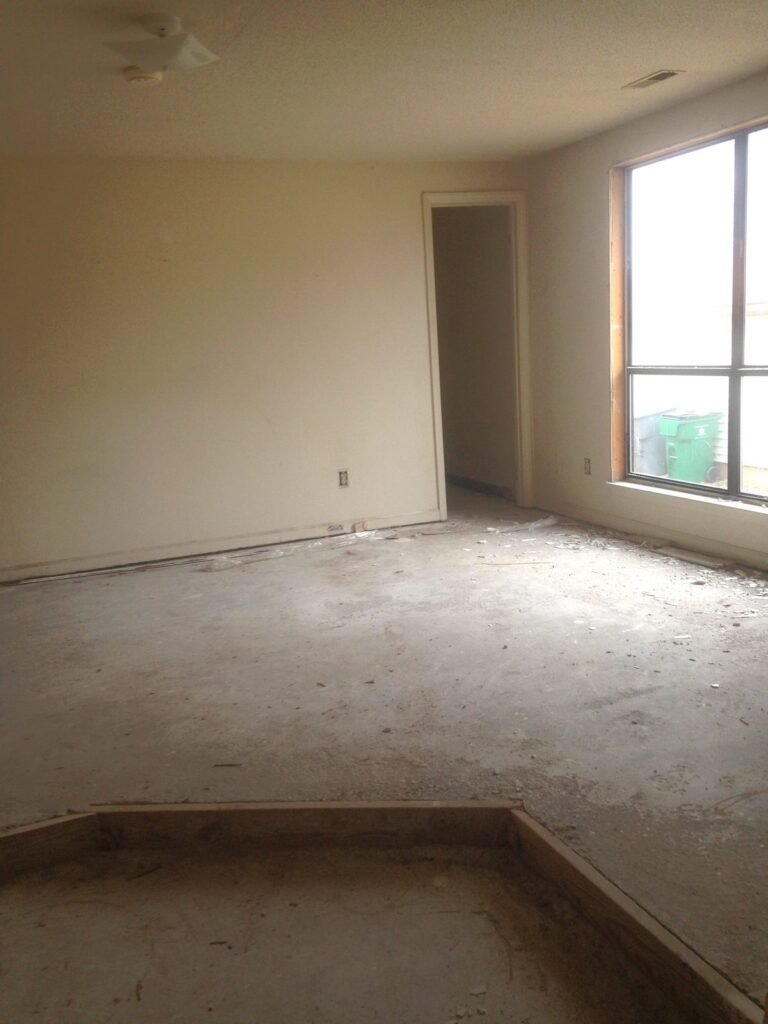
The human side of distressed real estate that doesn't show up in the numbers
Every distressed property starts with an address and a spreadsheet. Every single one of them also comes with a story.
In the spreadsheet: purchase price, rehab estimate, holding costs. Insurance, taxes, utilities, debt service for however many months you think it is going to take. Then the exit. Rent it or sell it. You run the numbers, decide what you will pay, and go bid.
The spreadsheet is the easy part. It doesn't price in the tragedies that sometimes come with the cheap acquisition.
I want to tell you about one property. I'm not going to tell you where it was, when it happened, or who was involved. That's not important, and frankly, I want to protect the identity and privacy of the people involved. Nothing about those families belongs in a business article. What belongs here are the lessons the experience taught me as an investor. Behind every distressed-property sale, there are real people with real problems and real circumstances. None of that shows up on a spreadsheet.
A Murder-Suicide — Ummmm, Excuse Me?
We won the property at auction knowing it was occupied. That's not unusual — it wasn't our first time dealing with an occupied foreclosure, and it wouldn't be our last. A lot of what you buy at a foreclosure sale still has people living in it. So we knew we needed to have a conversation about an exit strategy for the occupants. We thought that was going to be the hard part.
During the bidding process, we went by the property and talked with the occupants. That first conversation was one of several. We explained what would happen if we ultimately won the bid and acquired the property, we gave them options, and we tried to be as helpful as we could. We said we'll work with you. Or, if we can't work something out, there is a legal process — it's not a pleasant one, and nobody involved wants it to go that way. Everyone understood what was happening and how we could best move forward. Or I thought they did.
Then they stopped answering our calls.
Now, this is not necessarily unusual. Occupants of a foreclosed home are in a pickle. If they're the homeowners, there can be a lot of emotions that come with losing a house. I've had people communicate with us for weeks and then suddenly move out without another conversation. Silence can read as avoidance, or embarrassment, or as closure. So when our calls stopped being answered, I assumed the occupants had moved out on their own and that we would eventually take possession of the property vacant. That is what I believed was happening.
It wasn't.
What Happens if Someone Is Still Living in a Foreclosed Property in North Carolina?
There's an important legal piece here, especially for anyone considering buying an occupied property at a North Carolina foreclosure sale. Winning the bid does not mean you can simply show up at the property, change the locks, and remove the occupants.
North Carolina power-of-sale foreclosures have an upset-bid process — after the sale, qualifying upset bids can extend the bidding before the sale becomes final. And even after you become the purchaser, there is a legal process for obtaining possession if occupants remain in the property.
For qualifying power-of-sale foreclosures, N.C.G.S. §45-21.29 provides a procedure through the clerk of superior court for an order for possession, available after the sale has been consummated, the purchase price paid, the purchaser has acquired title and is entitled to possession, and the required notice has been given to anyone remaining in possession. For most properties covered by this provision, the statute requires at least 10 days' notice before the purchaser applies for the order. There are separate provisions affecting certain residential properties containing 15 or more rental units. If the clerk issues the order, it is directed to the sheriff, who is authorized to remove the occupants and their personal property and put the purchaser in possession.
N.C.G.S. §45-21.29 — Orders for possession. Read the full text at the North Carolina General Assembly
That's the legal process. In the real world, however, I've found that there's often a lot that can happen before you ever get to that point. Sometimes a conversation works. And sometimes it doesn't. Knowing the legal process is important. So is knowing how to talk to the people who may have to go through it.
In this particular case, we never got that far.
“CRIME SCENE. DO NOT ENTER.”
The deed recorded, and we went back to the property expecting to find it empty and finalize our next steps. Instead, there was law-enforcement paperwork posted on the property. “CRIME SCENE. DO NOT ENTER.”
Ummmm…excuse me — a crime scene?!?! I just bought this property.
We contacted law enforcement. We eventually learned that three people had died inside the house in a murder-suicide.
All of a sudden, the numbers on the spreadsheet didn't matter nearly as much. We still had a job to do and things still needed to be handled and resolved. But honestly? The margins on the property had lost all their luster and appeal.
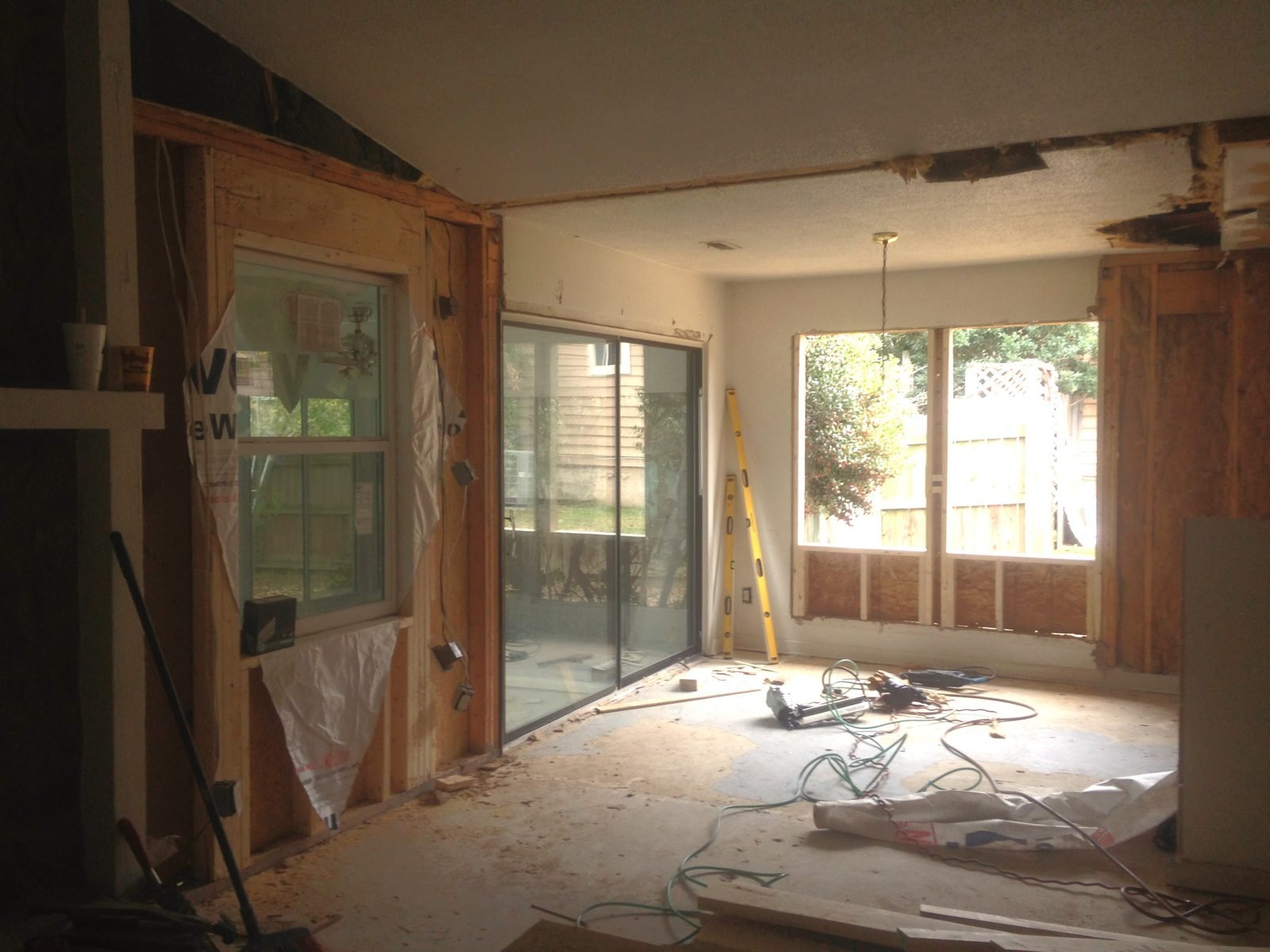
Everything we did after that changed. There were things we hadn't factored into our original numbers: biohazard remediation, a more extensive demo job, not just a cleaning now but sterilization, and then the full renovation we had planned all along. And then there's the part that never shows up on a spreadsheet. The emotional side of it.
That project stopped being about maximizing the profit margin. At this point, our attitude became pretty simple: finish the renovations, take care of what needs to be taken care of, break even if we can, move on. Too much bad karma.
Do You Have to Disclose a Death in a House in North Carolina?
When I tell people some version of this story, one of the first questions I get is: “Didn't you have to tell people what happened when you put the property back on the market? How could you sell a house after something like that?”
Which really raises a legal question: does North Carolina require a seller to disclose that someone died in a house?
No. Under N.C.G.S. §39-50, when real property is offered for sale, the fact that the property was previously occupied by someone who died or had a serious illness while occupying it is not deemed a material fact. The statute also contains an important limitation: a seller may not knowingly make a false statement regarding such a fact. The death itself is not deemed a material fact under North Carolina law, but that does not give a seller permission to lie about it.
N.C.G.S. §39-50 — Death, illness, or conviction of certain crimes not a material fact. Read the full text at the North Carolina General Assembly
There's also an important distinction here. The statute addresses the death itself. It shouldn't be read to mean that every physical condition resulting from an event at a property is automatically immaterial — property condition, damage, contamination or other issues can raise separate questions. In our case, we dealt with the physical aftermath before continuing the renovation.
Something Can Be Legally Immaterial and Still Matter
North Carolina law tells me the death itself isn't deemed a material fact when the property is later offered for sale. I understand the legal distinction and I think it's the right call. But events shape how people feel about a property. Something can be legally immaterial to a real-estate transaction and completely material to the human being standing inside the house. Those are two separate questions. The statute answers the first one. It has nothing at all to say about the second, and neither do the numbers on the project.
And I've learned that some properties eventually stop being about maximizing the return. The real-estate investment world is heavily organized around the number at the bottom of the spreadsheet — purchase price, spread, ROI, profit — and a break-even can read like a failure. I don't think it always is. Sometimes there's another return that matters too: being able to look back at a difficult situation and feel good about how you handled it.
The Things That Don't Show Up on the Spreadsheet
This isn't the only difficult situation I've encountered buying distressed properties. I have more stories, and a lot of experienced investors do too. We don't talk about them very often in public because they're uncomfortable. It's uncomfortable to talk about profit margins and spreads in the midst of someone else's tragedy. But those situations exist, and they're part of distressed real estate too.
Behind every foreclosure, sheriff's sale, tax sale and abandoned house are real people in real situations, and sometimes real tragedies. When the property is still occupied, you're often entering someone's life at an incredibly difficult moment. You're also running a business. Those realities have to coexist, and it is a delicate dance mixing the two together.
I still have to protect the investment. I still have to eventually take possession. Contractors still need to be scheduled, insurance still has to be paid, and every additional week increases the holding costs. Sometimes doing what feels right decreases the return.
And that's ok.
North Carolina Sources
N.C.G.S. §45-21.29 — Orders for possession (North Carolina General Assembly)
N.C.G.S. §45-21.27 — Upset bids (North Carolina General Assembly)
Related reading: First Mortgage, Second Mortgage, IRS Lien: What You’re Buying at a North Carolina Foreclosure Auction · How to Buy a Foreclosure in Charlotte, NC: A 2026 Investor’s Guide
About the Author
Halah Kablan Ladson is Broker-In-Charge of Queen City Management Services (QCMS) in Charlotte, North Carolina. She has worked in real estate for 22 years across four states and has operated QCMS since 2013. NC License No. 272964 · SC License No. 107533 · NC Firm No. C24768 · Est. 2013. Connect with Halah on LinkedIn.